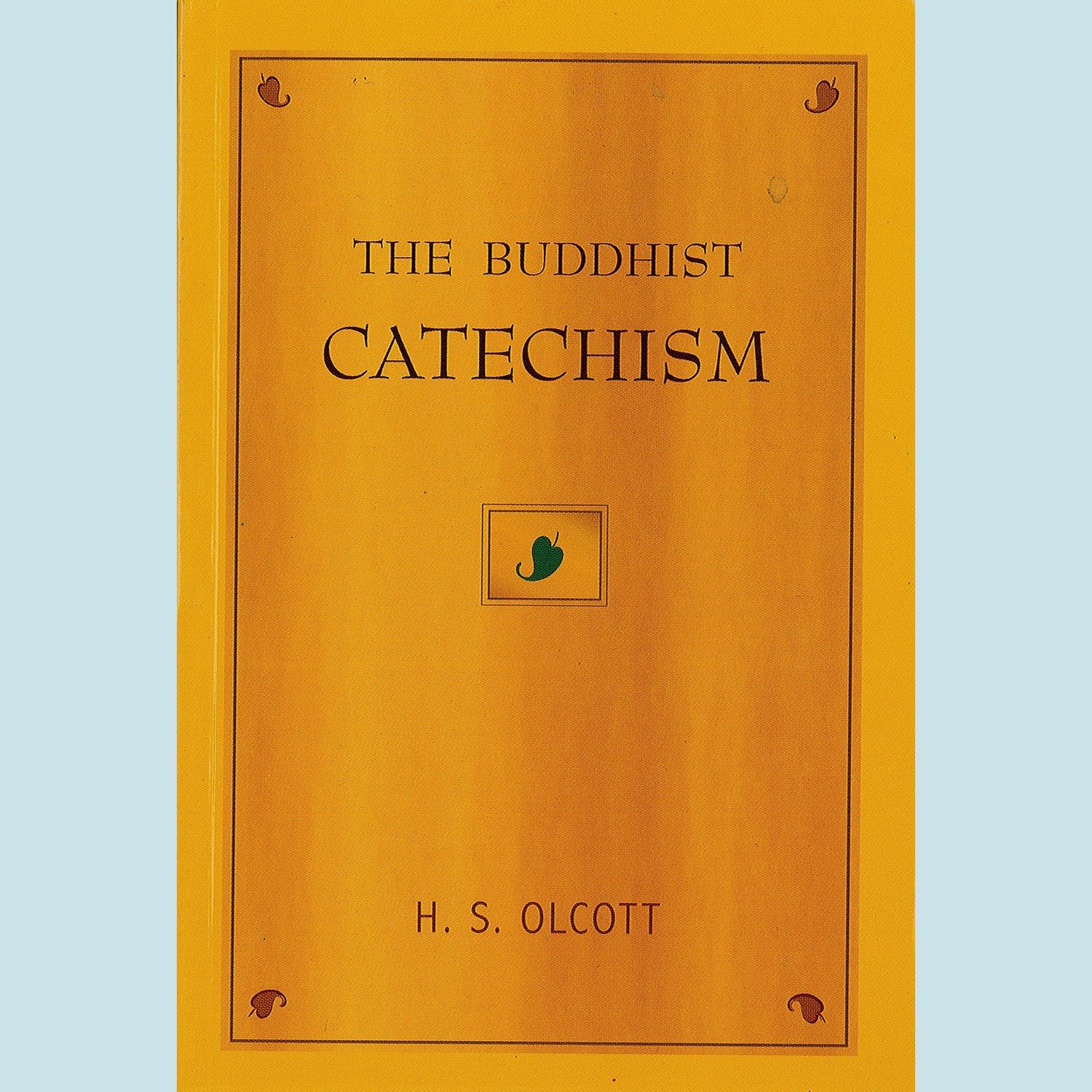
Buddhist Catechism 7226
SKU 9788170590279
$8.50
In stock: 11 available
Save this product for later
Customer reviews
Reviews only from verified customers
No reviews yet. You can buy this product and be the first to leave a review.
Buddhist Catechism 7226
Product Details
ISBN: 9788170590279
Brand: TPH
The Buddhist Catechism is an invaluable textbook for those wishing to familiarize themselves with the basic principles of Buddhism. Since ifs first edition in 1881 it has been published in more than twenty languages , mainly by Buddhists for Buddhists, and was widely used in the Buddhist educational movement which Col. H.S.Olcott established in Ceylon ( now Sri Lanka). The book is constructed in an easy to follow question answer form, together with an appendix which outlines the fourteen fundamental Buddhistic tenets. These fourteen items were accepted as fundamental in both the Southern and Northern sections of Buddhism, by authoritative committees to whom they were submitted by the author personally. The Unpretending aim in view is to give so succinct and yet comprehensive a digest of Buddhistic history, ethics and philosophy as to enable beginners to understand and appreciate the noble ideal taught by the Buddha, and thus make it easier for them to follow out the Dharma in its details From the Preface to the Thirty-third Edition by Henry S. Olcott This book is an imprint of the Theosophical Publishing House, Adyar, and is imported from India.
About the author: Col. Henry Steel Olcott (1832-1907) was the cofounder and first President of the Theosophical Society and was among the first Westerners to become a Buddhist. A passionate reformer, he devoted his life to the renaissance of Buddhist culture in Southeast Asia. So greatly is his contribution valued in Sri Lanka (formerly Ceylon) that February 17 is celebrated as Olcott Day. Olcott became interested in Buddhism around the same time as he began to study the esoteric traditions of the East. When he learned of British supression of Buddhism in Ceylon, he decided to go there to set things right. Arriving on the island, he immediately took refuge in the Buddha in a great public ceremony, thereby becoming officially Buddhist. Accompanied by other Theosophists, he moved slowly through the villages lecturing to many thousands in the open air, stirring them to fight for the rights of Buddhists. He spent his spare time writing a Buddhist catechism, and elementary handbook along the lines of those used in the Christian churches. The book became a bestseller, went through more than forty printings, and was translated into more than twenty languages.
Powered by Lightspeed
Display prices in:USD